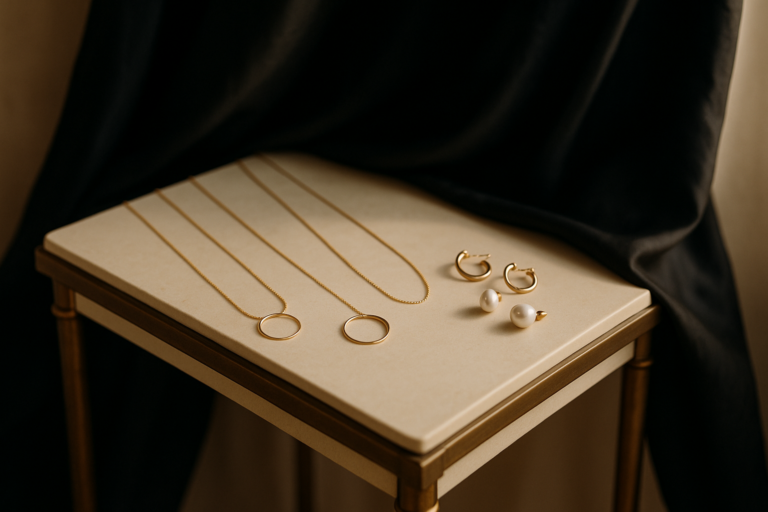
If you’ve ever stood in a jewelry store, dazed by the brilliance of gold pieces lined up under glass, you might’ve wondered: what’s truly the difference between 14k and 18k gold? They glimmer with their own unique charms, but picking one over the other can feel like choosing a favorite child. Both have their perks depending on your needs and aesthetics.
Understanding Karats: What Do They Mean?
Let’s start with the basics—karats measure how much pure gold is in a piece. The highest standard is 24 karats, representing pure gold. The GIA explains that as karat count increases, so does the percentage of gold versus alloy metals. This is why an 18k ring (75% gold) appears richer than its 14k counterpart (58.3% gold), which has more durable alloys.
Factors to Consider: Durability vs. Color
Durability-wise, Harper’s Bazaar suggests that if you’re planning on wearing your piece daily—like wedding bands or everyday necklaces—14k might be your go-to due to its higher alloy content making it tougher against scratches. Conversely, if you’re drawn to a deeper yellow hue for special occasions or statement pieces, then indulge in 18k.
- Budget: Unsurprisingly, more pure gold means a higher price tag; expect to pay around $1,200 for a simple 14-inch chain in 18k compared to about $800 in 14k.
- Sensitivity: Less alloy means less chance of irritation for sensitive skin; however both are excellent choices for those with nickel allergies.
A small note from me
I personally lean towards mixing both depending on my mood—or maybe just because I love having options! You’ll often see me layering different textures from Marysa’s collection at Marysa.
The Look: Styling Tips
The beauty of both alloys lies in their versatility. For minimalist looks during the summer months when my wrists are bare from extra layers of fabric, I gravitate towards dainty necklaces layered together. Pairing them with cotton linens or crisp whites really makes them pop—a trick I picked up from reading Vogue’s fashion section. For evenings out though? A single bold statement piece does wonders!